

Quick Guide: What Is Child Counseling?
– Purpose: Helping children navigate emotional, psychological, and social challenges.
– Techniques: Includes play therapy, cognitive-behavioral therapy, and more.
– Outcomes: Improved emotional resilience, coping skills, and overall well-being.
Child counseling is often seen as a supportive bridge for young minds navigating the complex world of emotions and experiences. But when does a child need counseling, and how can it positively impact their growth and mental health? At West Hartford Holistic Counseling, we understand that parenting comes with questions and uncertainties, especially when it comes to your child’s mental health.
Understanding the Importance of Child Counseling
Isn’t it perplexing how quickly children grow and change? But, with rapid growth, sometimes they encounter hurdles that are too big for them to jump over alone. This is where child counseling steps in. It offers a safe space for children to express their thoughts and feelings, understand themselves better, and develop strategies to overcome challenges.
The Role of Child Counseling in Mental Health
The mind of a child is like a sponge, absorbing every experience, which shapes their perception of the world. When negative experiences or emotions outweigh the positive, it can lead to various behavioral and mental health concerns. Child counseling aims to rebalance this scale, ensuring that children can grow into emotionally resilient and psychologically healthy adults.
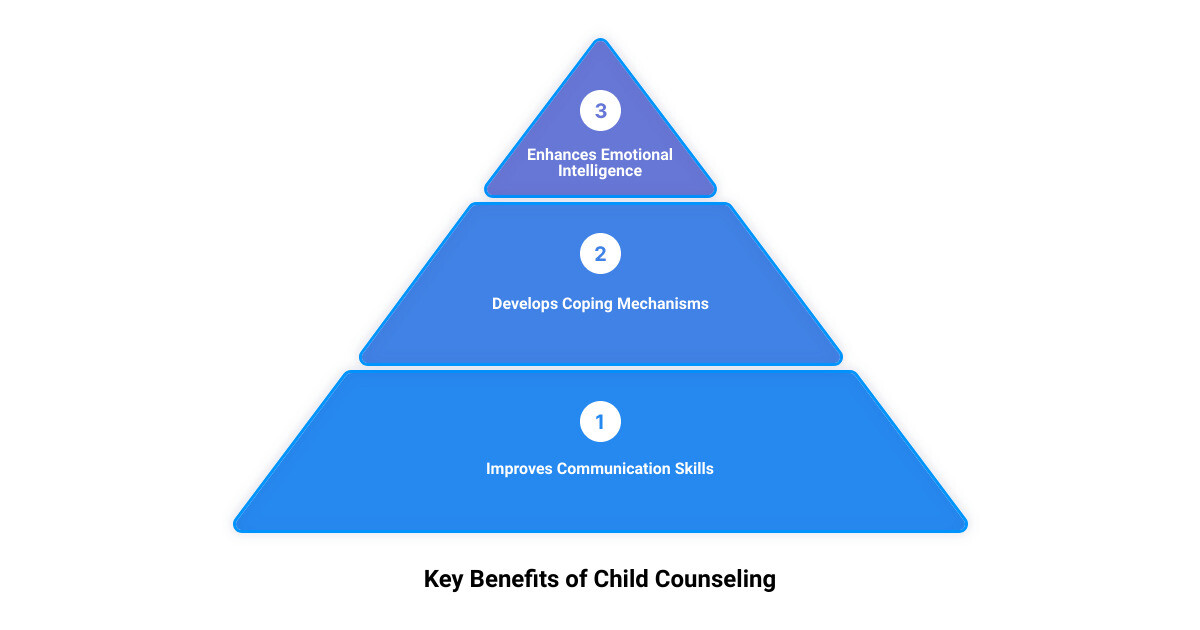
In conclusion, child counseling is more than just a series of sessions; it’s an investment in your child’s future, equipping them with the tools they need to face life’s challenges head-on. At West Hartford Holistic Counseling, we’re dedicated to guiding both you and your child through this process, fostering a future where they not only survive but thrive.
What is Child Counseling?
Defining Child Counseling
Child counseling is a specialized type of therapy aimed at young individuals, typically ranging from toddlers to teenagers. It provides a safe and supportive environment where children can express their thoughts, emotions, and experiences. Unlike counseling for adults, child counseling often involves playful and engaging methods to encourage communication and understanding. At West Hartford Holistic Counseling, we tailor our approach to fit the unique needs of each child, utilizing a variety of techniques to foster emotional growth and healing.
The Goals of Child Counseling
The primary goal of child counseling is to promote mental health and well-being. This objective encompasses several key areas:
- Improving Emotional Regulation: Teaching children how to manage their emotions effectively, reducing instances of overwhelming anxiety or distress.
- Enhancing Coping Skills: Equipping children with strategies to handle life’s challenges, from bullying and academic stress to family changes like divorce.
- Boosting Self-Esteem: Fostering a positive self-image and confidence in their abilities and worth.
- Developing Social Skills: Helping children build healthy relationships, communicate effectively, and understand others’ perspectives.
- Addressing Behavioral Issues: Working to modify disruptive or unhealthy behaviors through understanding their root causes and reinforcing positive actions.
- Processing Trauma: Providing a safe space and therapeutic tools for children who have experienced traumatic events, helping them heal and move forward.
- Supporting Through Life Transitions: Assisting children in navigating significant changes in their lives, such as moving to a new school or dealing with family separation, in a healthy and adaptive manner.
At West Hartford Holistic Counseling, we understand that each child is unique, with their own experiences and challenges. Our approach to child counseling is holistic and personalized, aiming to address the specific needs of your child while promoting overall emotional resilience and well-being. By investing in child counseling, you’re providing your child with the tools and support they need to navigate life’s ups and downs with confidence and strength.
When Does Your Child Need Counseling?
Identifying Signs that Your Child May Need Therapy
It’s not always easy to know when a child is struggling emotionally or mentally. However, certain behaviors can signal that it’s time to consider child counseling. Look out for:
- Unexplained Changes in Behavior: This could include sudden aggression, withdrawal from social activities, or a noticeable decline in academic performance.
- Physical Symptoms: Frequent headaches or stomachaches with no medical cause can be signs of stress or anxiety.
- Sleep Issues: Difficulty falling asleep, nightmares, or night terrors are red flags.
- Eating Habits: A sudden loss of appetite or change in eating patterns might indicate an issue.
- Repetitive Behaviors: Obsessive hand-washing or ritualistic behaviors can be signs of anxiety.
- Mood Swings: Extreme emotional reactions or feeling sad, hopeless, or angry can indicate underlying issues.
- Self-Harm: Any signs of self-harm should be addressed immediately.
Recognizing these signs early and seeking professional help can make a significant difference in your child’s life. At West Hartford Holistic Counseling, we understand the complexities of child behavior and offer compassionate support to navigate these challenges.
How to Talk to Your Child About Therapy
Discussing therapy with your child is a delicate matter. Here are some tips to make the conversation easier:
- Normalize Therapy: Explain that therapy is a common and positive way to solve problems, much like going to a doctor for a physical illness.
- Use Age-Appropriate Language: Describe the therapist as someone who helps kids learn to cope with big feelings or tough situations.
- Be Open and Supportive: Share your observations and concerns without blame. Let them know you’re on their side.
- Choose the Right Moment: Find a calm, quiet time when you won’t be interrupted, ensuring your child feels safe and listened to.
- Emphasize Confidentiality: Assure them that their conversations with the therapist will be private, helping them feel more secure about opening up.
- Involve Them in the Process: If possible, let your child have a say in choosing the therapist or the type of therapy. This can empower them and reduce any initial resistance.
The goal is to make your child feel supported, not singled out. Therapy is a journey you’re embarking on together, one that’s focused on their well-being and happiness.
At West Hartford Holistic Counseling, we’re committed to guiding both you and your child through this process with empathy, expertise, and understanding. Our child counseling services are designed to offer a safe space for your child to explore their feelings, develop coping strategies, and enhance their emotional resilience.
Types of Child Counseling Techniques
Embarking on the journey of child counseling can be a beacon of hope for parents watching their children struggle. It’s a pathway to understanding, growth, and healing. Here at West Hartford Holistic Counseling, we employ a range of child counseling techniques tailored to meet the unique needs of each child. Let’s explore some of these techniques.
Behavior Therapy and Cognitive-Behavior Therapy
Behavior Therapy focuses on modifying harmful behaviors and developing positive ones. It’s practical and action-based, making it ideal for addressing specific behavioral issues.
Cognitive-Behavior Therapy (CBT), on the other hand, dives deeper. It deals with thoughts and feelings that influence behaviors. CBT is especially effective in treating anxiety, depression, and other emotional challenges. It empowers children by teaching them to reframe negative thoughts into positive ones.

Play Therapy
Play is the language of children. Play Therapy utilizes this natural medium to help children express their feelings and solve problems. Through play, therapists can gain insights into a child’s inner world, offering a safe and comfortable way for children to work through emotional issues.
Family Therapy and Interpersonal Psychotherapy
Family Therapy recognizes the importance of the family unit in a child’s development and well-being. It involves family members in the therapy process to improve communication, solve family problems, and mend relationships.
Interpersonal Psychotherapy focuses on the child’s interpersonal relationships. It aims to enhance communication skills and increase the child’s capacity to form healthy relationships.
Mindfulness and Relaxation Techniques
These techniques teach children how to stay present in the moment, manage stress, and regulate their emotions. Mindfulness can be particularly beneficial for children with anxiety, helping them to calm their minds and bodies.
Solution-Focused Brief Therapy and Narrative Therapy
Solution-Focused Brief Therapy (SFBT) zeroes in on finding solutions in the present time and exploring one’s hope for the future to find quicker resolutions to problems.
Narrative Therapy allows children to become the authors of their own stories. It helps them separate themselves from their problems and encourages them to rely on their own abilities to minimize the issues in their lives.
At West Hartford Holistic Counseling, we blend these techniques to craft a personalized approach for each child. Our goal is not just to address the immediate concerns but to equip children with skills and insights that will serve them throughout their lives. By fostering a collaborative environment with families, we ensure that every child’s journey towards emotional well-being is supported, understood, and nurtured.
The Process of Child Counseling
What to Expect in a Child Counseling Session
At West Hartford Holistic Counseling, we understand that the idea of child counseling can be daunting for both parents and children. It’s natural to wonder what will happen during a counseling session and how it will impact your child. Here’s what you can generally expect:
- A Safe and Welcoming Environment: We prioritize creating a space where your child feels secure and comfortable. This environment encourages openness and trust.
- Getting to Know Each Other: Initial sessions are often about building rapport. The counselor will spend time getting to know your child, their interests, and their concerns in a friendly and non-judgmental way.
- Expression Through Various Methods: Understanding that children may not always verbalize their thoughts and feelings directly, we incorporate play therapy, art, and other creative methods to facilitate expression.
- Goal Setting: Together with your child (and you, as appropriate), we’ll identify areas of focus and set realistic goals for therapy.
- Active Participation: We encourage children to take an active role in their counseling process, helping them feel empowered and engaged.
Questions to Ask Your Child’s Therapist
To ensure that you are fully involved in your child’s therapeutic journey and to foster a productive partnership with the therapist, consider asking the following questions:
- What approach will you use with my child? Understanding the therapist’s methods can provide insights into how they will connect with your child.
- How can I support my child’s therapy at home? There are often strategies and practices that can reinforce the therapy sessions at home.
- How will we measure progress? It’s important to have clear markers or milestones to assess how your child is benefiting from therapy.
Monitoring Your Child’s Progress Over Time
Monitoring progress is a crucial aspect of child counseling. Here’s how we approach it:
- Regular Updates: We provide parents with regular updates while respecting the child’s confidentiality. This balance ensures that you are informed but also fosters trust between the child and the therapist.
- Adjustments as Needed: Therapy is not a one-size-fits-all process. We’re committed to adjusting our approach based on your child’s evolving needs and progress.
- Collaboration: We view counseling as a collaborative effort involving the therapist, the child, and the family. Your insights and observations are invaluable in tailoring the therapy to best support your child.
At West Hartford Holistic Counseling, our approach to child counseling is rooted in understanding, compassion, and professionalism. We’re here to guide and support your child through their emotional and psychological growth, ensuring they have the tools to navigate life’s challenges successfully. Our commitment is to not only address the immediate concerns but to foster long-term resilience and well-being in every child we work with.
The Role of Medication in Child Counseling
Understanding When Medication is Necessary
In the realm of child counseling, medication is not always the first line of defense. However, there are circumstances where it becomes a crucial part of the treatment plan. Medication is primarily considered when a child’s mental, emotional, or behavioral disorder significantly impairs their ability to function in daily activities such as schooling, social interactions, and family life.
For conditions such as ADHD, anxiety, depression, and certain behavior disorders, medication can play a vital role in managing symptoms. Medication does not ‘cure’ these conditions but rather helps to manage symptoms that are distressing or disruptive to the child’s life. This, in turn, can make them more receptive to other forms of therapy, enhancing overall treatment effectiveness.
The Importance of Combining Medication with Therapy
At West Hartford Holistic Counseling, we emphasize a holistic approach to child counseling. This means we consider all aspects of the child’s well-being, including the benefits of combining medication with therapy when necessary. Medication can provide significant relief from symptoms, making a child more open and responsive to therapeutic interventions. However, for a comprehensive and lasting improvement, it’s essential to pair medication with appropriate therapeutic techniques.
Behavior therapy and cognitive-behavior therapy (CBT) are particularly effective when combined with medication for conditions like ADHD and anxiety disorders. Behavior therapy focuses on teaching children and their parents strategies to promote positive behaviors and reduce negative ones. CBT helps children become aware of and change negative thought patterns, which can influence emotions and behavior. Together, these therapies, alongside appropriate medication, can offer a more complete solution to managing and overcoming mental health challenges.
It’s also crucial for parents to be involved in the treatment process. This involvement includes understanding the purpose of the medication, monitoring its effects on the child, and supporting the child through therapy sessions. Collaboration between therapists, parents, and, when appropriate, the child’s school, ensures a supportive environment conducive to positive outcomes.
In conclusion, while medication can be an essential component in treating certain mental health conditions in children, its best results are seen when used in conjunction with therapy. At West Hartford Holistic Counseling, we are committed to finding the most effective, holistic treatment plan for each child, ensuring they not only manage their symptoms but also thrive emotionally and socially. Our goal is to empower children and their families with the tools and support they need for a fulfilling and balanced life.
Ethical Considerations in Child Counseling
In child counseling, we prioritize creating a safe and supportive environment for every child. Ethical considerations are at the heart of what we do, ensuring that every step taken is in the best interest of the child’s well-being and development. This section delves into two critical aspects: confidentiality and privacy, and addressing cultural and diversity issues.
Confidentiality and Privacy in Child Counseling
Confidentiality is a cornerstone of child counseling. It establishes trust and allows children to express themselves openly without fear of judgment or exposure. However, working with minors introduces unique challenges, as we balance confidentiality with our duty to protect the child.
- Legal and Ethical Obligations: We are bound by laws that require us to report any suspected abuse, neglect, or when a child poses a danger to themselves or others. These situations necessitate breaking confidentiality to protect the child’s safety. We ensure that parents and children understand these exceptions from the outset.
- Creating a Safe Space: Despite these exceptions, our focus is on creating a confidential space where children feel secure to share their thoughts and feelings. This is crucial for effective therapy and fostering a relationship built on trust and understanding.
Addressing Cultural and Diversity Issues in Child Counseling
Every child comes from a unique background that influences their worldview and experiences. Inclusive and culturally sensitive counseling practices are essential to provide effective support and understand each child’s unique perspective.
- Cultural Competence: We strive for cultural competence by continually educating ourselves on the diverse backgrounds of the children we work with. This includes understanding cultural norms, values, and challenges that may impact a child’s mental health and well-being.
- Avoiding Assumptions: It’s crucial to approach each child without assumptions or stereotypes. We emphasize the importance of listening and learning from the child and their family about their cultural identity and how it impacts their life.
- Inclusivity and Respect: Our counseling practices are built on inclusivity and respect for every child’s cultural, religious, and personal background. This approach not only enriches our understanding but also supports the child’s sense of identity and belonging.
At West Hartford Holistic Counseling, we understand that ethical considerations in child counseling are fundamental to creating a positive and impactful therapeutic experience. By prioritizing confidentiality and privacy and addressing cultural and diversity issues with sensitivity and respect, we foster an environment where children feel valued, understood, and supported in their journey towards emotional and social well-being.
The Benefits of Child Counseling
Promoting Positive Growth and Emotional Resilience
In child counseling, our primary aim is to nurture positive growth and bolster emotional resilience. It’s about giving kids the tools they need to face life’s ups and downs with confidence. By employing techniques like cognitive-behavioral interventions and active listening, we create a supportive space for children to express themselves. This environment helps them understand and manage their emotions, leading to greater emotional strength. As highlighted on our child counseling page, these skills are crucial for developing coping mechanisms that children can rely on throughout their lives.
Improving Social Skills and Overall Well-being
Another key benefit of child counseling is the improvement of social skills and overall well-being. Social skills training, for instance, equips children with the ability to interact more effectively with others. Through role-playing and structured activities, kids learn valuable skills such as empathy, communication, and conflict resolution. This training is vital for building self-confidence and fostering positive relationships, as noted in our insights on essential child counseling techniques.
Moreover, positive reinforcement plays a significant role in motivating children and reinforcing positive changes in their thoughts, emotions, and behaviors. By focusing on their strengths and successes, we enhance their self-esteem and self-efficacy. This approach not only helps children develop a positive self-image but also encourages a growth mindset, enabling them to continue making progress in their personal development.
At West Hartford Holistic Counseling, we understand the profound impact that child counseling can have on a child’s life. It’s not just about addressing immediate issues; it’s about setting the foundation for a future where children feel empowered, resilient, and socially competent. By promoting emotional resilience and improving social skills, we’re investing in our children’s ability to thrive in any situation they encounter. By supporting their emotional well-being, we’re investing in their future success.
Conclusion: The Impact of Child Counseling on a Child’s Life
Child counseling is more than a temporary solution to current problems—it’s a profound investment in the future of our children. Through this supportive process, children learn to navigate life’s challenges with resilience, develop healthy coping mechanisms, and build the emotional and social skills necessary for long-term success.
The Long-Term Effects of Child Counseling
The long-term effects of child counseling can be transformative. Children who participate in counseling are often better equipped to handle stress, anxiety, and changes in their lives. They learn to:
- Communicate effectively: Child counseling enhances communication skills, enabling children to express their thoughts and feelings in healthier ways.
- Develop resilience: Counseling helps children build resilience, empowering them to bounce back from setbacks with greater strength.
- Enhance problem-solving skills: Through counseling, children learn to approach problems with a constructive perspective, fostering critical thinking and decision-making skills.
By addressing emotional and behavioral issues early on, child counseling sets a solid foundation for mental health and well-being that extends well into adulthood.
How Child Counseling Can Help Your Child Navigate Life’s Challenges
Child counseling provides a safe space for children to explore their feelings, thoughts, and behaviors. This exploration, guided by compassionate professionals, equips children with the tools they need to face life’s challenges head-on. Specifically, child counseling can help your child:
- Overcome fears and anxieties: Through various counseling techniques, children learn to manage anxiety, confront fears, and build confidence in their abilities.
- Navigate social situations: Counseling can improve social skills, helping children to build and maintain healthy relationships with peers and adults.
- Process and heal from trauma: For children who have experienced trauma, counseling offers a path to healing, helping them to process their experiences and move forward.
At West Hartford Holistic Counseling, we understand the profound impact that child counseling can have on a young person’s life. We are committed to providing a holistic approach that addresses not just the symptoms but the root causes of emotional and behavioral issues. Our goal is to support your child’s emotional well-being and help them develop the skills they need to lead a fulfilling life.
By investing in child counseling, you are providing your child with an invaluable resource that will benefit them for years to come. It’s not just about overcoming current challenges—it’s about empowering your child to navigate whatever the future may hold with confidence and resilience.
To learn more about how we can support your child’s journey toward positive growth and emotional resilience, explore our services:
- Child and Adolescent Counseling
- Family Counseling
- Mindfulness and Relaxation Techniques
The journey to emotional well-being is a collaborative one, and we’re here to support you and your child every step of the way.

